Sound familiar?Amaranth
- The call
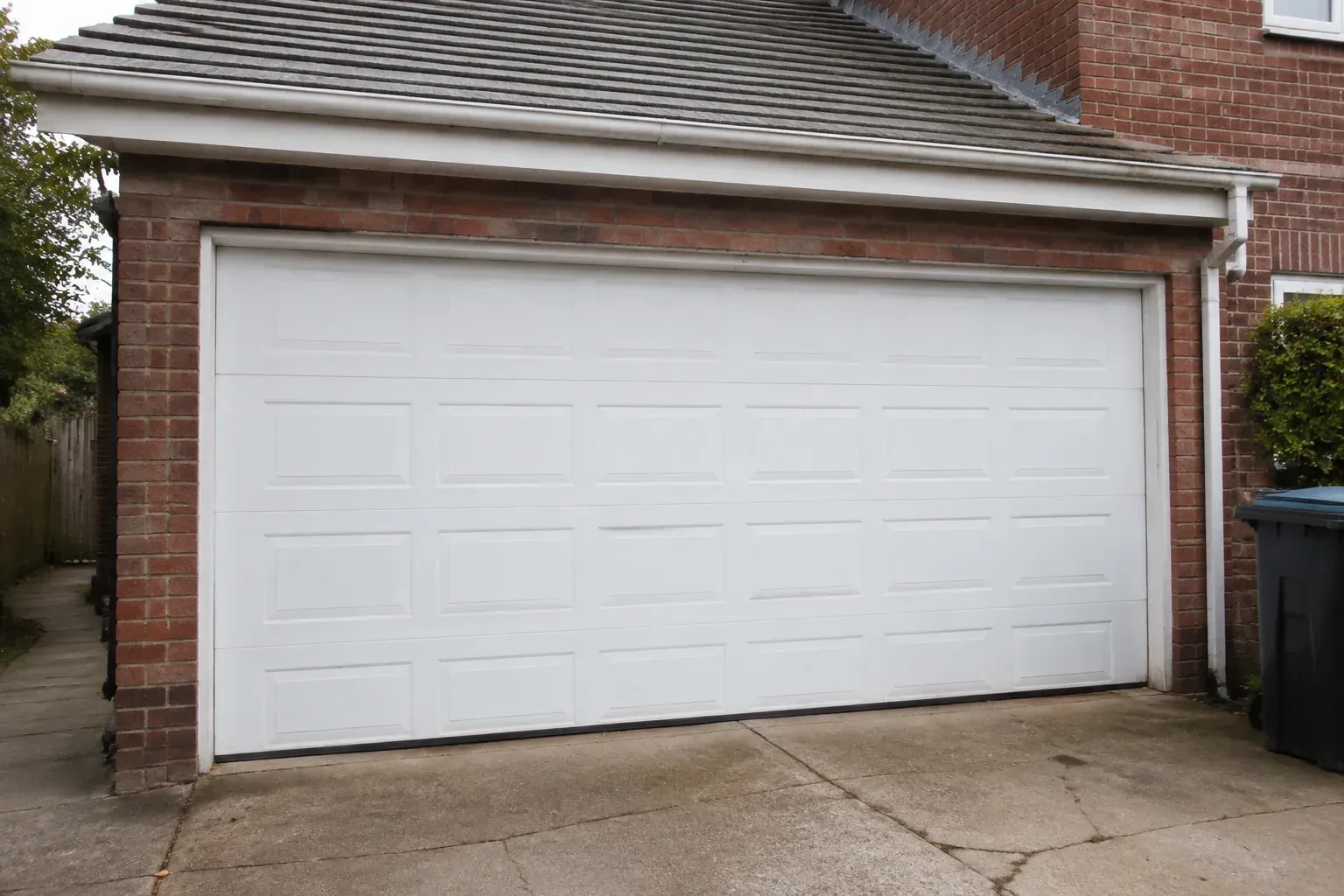
- One busy service-bay door has become louder than the matching doors beside it. Its hinges show movement at the fasteners, several rollers have side play, and the operator vibrates through the supporting structure.
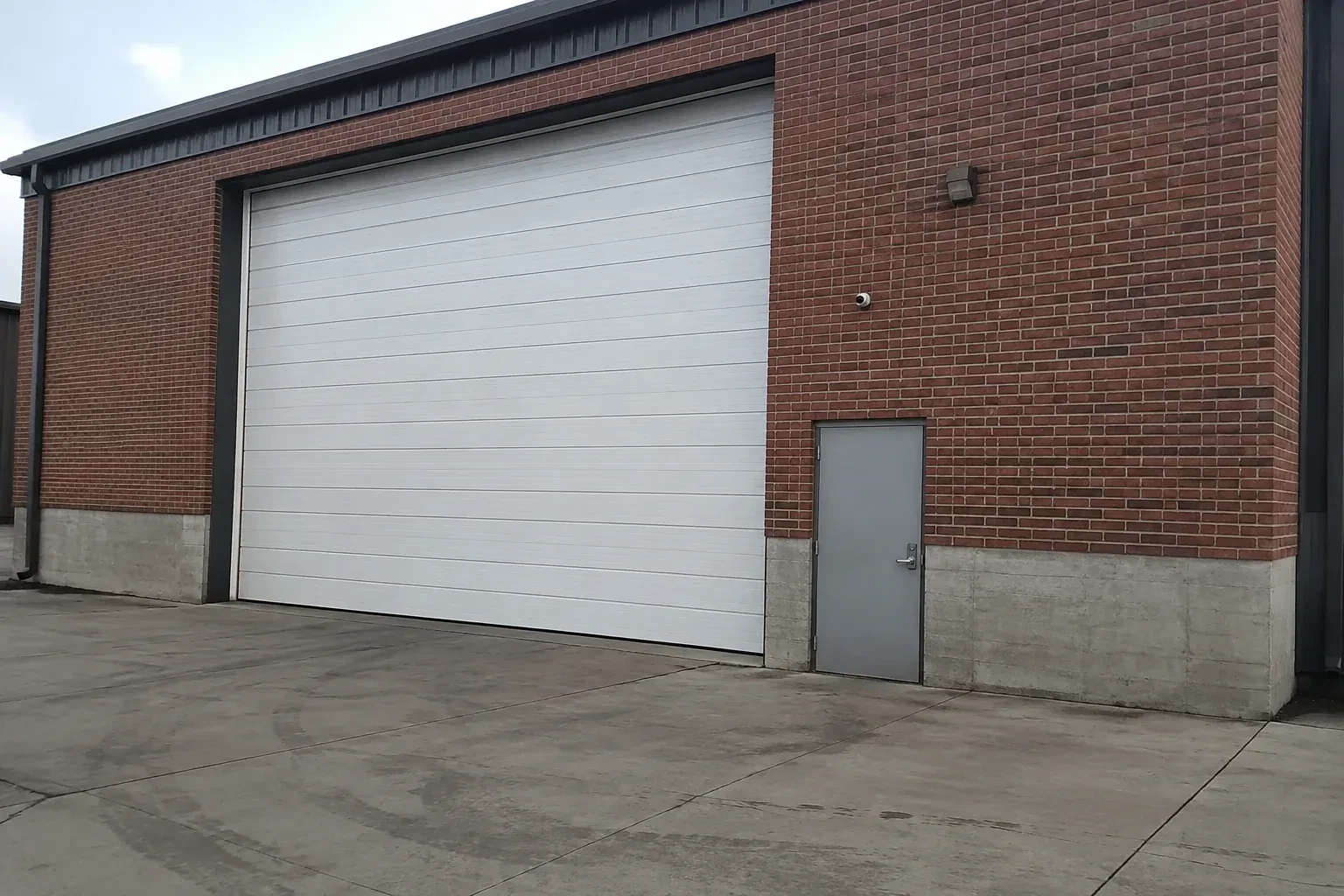
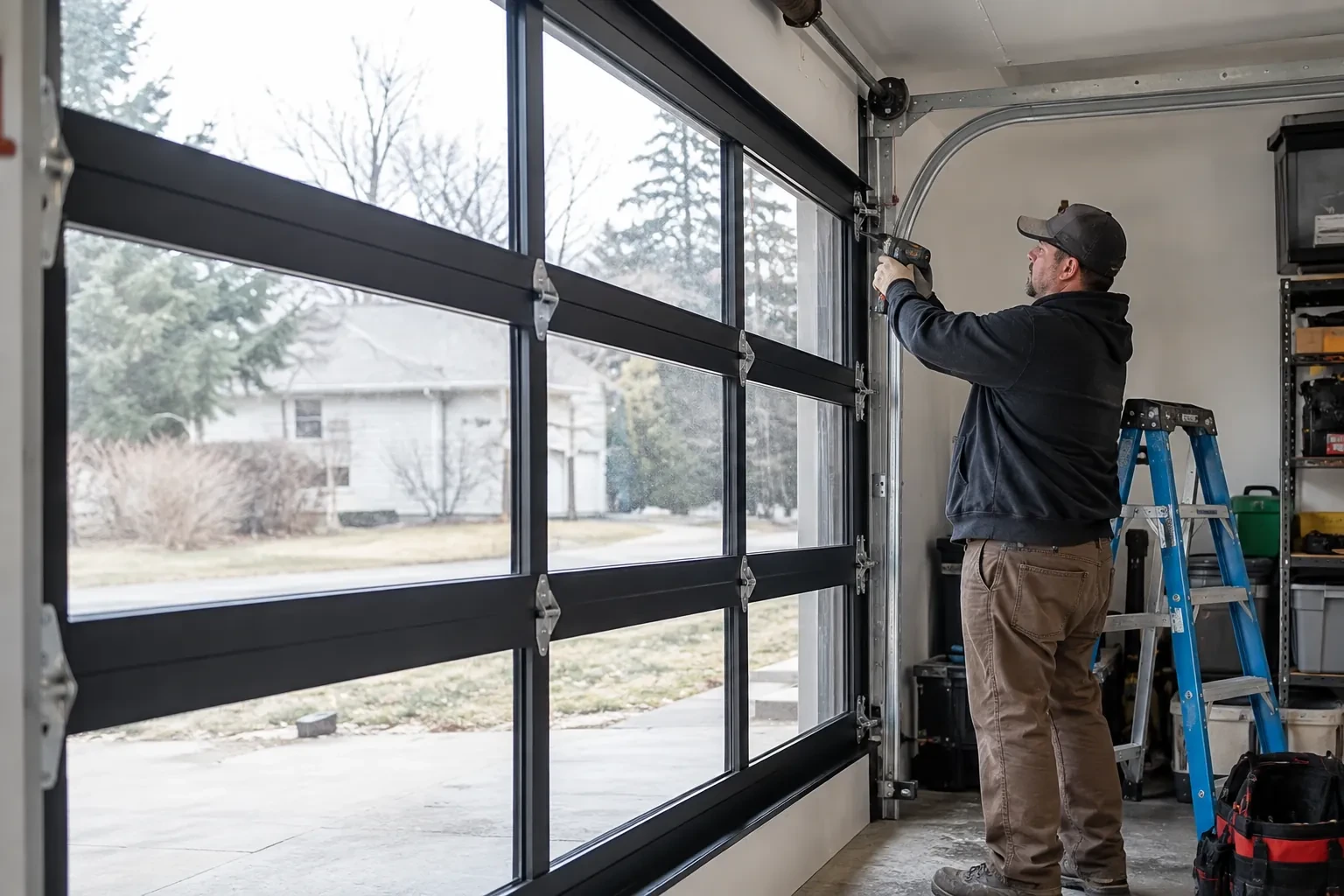
Commercial sectional door repair addresses the connected parts that guide, balance, seal and power a hinged overhead door. The visit begins by securing the opening and identifying whether the trouble started with impact, wear, corrosion, alignment or the operator. Sections, track, hinges, rollers, cables, springs, drums and controls are then checked as a complete system. Compatible parts are fitted, geometry and balance are restored, and the assembly is cycled through its working range so the bay returns to predictable operation.
Sound familiar?Amaranth
Commercial Sectional Door Repair · Amaranth
Scene 1
A reversing complaint begins with the travel area and installed protection devices. Photoelectric sensors are checked for alignment, secure mounting, clean lenses and intact wiring. A sensing edge is examined for distortion, connection faults and consistent response along the bottom of the door. The control station, stop circuit and operator indicators add context to the behaviour. Mechanical resistance is checked as well, since a binding door can affect powered movement. This combined assessment identifies whether service belongs at a sensor, its circuit, an operator setting or the moving door itself.
Scene 2
A damaged bottom seal is removed from its retainer, and the retainer is straightened or replaced when impact has distorted it. The new seal is sized for the door and floor condition, then fed evenly so it reaches both corners without stretching. Side and header weatherstrip are positioned for continuous contact while leaving the door free to move. If an uneven landing caused the original gap, cable level or track position is corrected first. The final fit is viewed from both sides with the door closed and checked again after cycling.
Scene 3
After cable, spring or track work, the door should rise with its bottom edge level and move without a side lag. Facility staff can watch the first few routine cycles from a clear position and note whether both cables remain neatly seated on their drums. A new tilt, rubbing sound or loose strand is useful information to report before the opening sees heavier traffic. Keeping pallets and vehicles outside the marked travel zone also protects the restored alignment and gives operators a clear view of the complete door path.
What shapes the quoteHockley Valley Garage Door Experts
FeesSame any hour
The appropriate interval follows the door and operator manuals, operating cycles, environment and facility maintenance plan. A heavily used exterior bay may need attention more often than a lightly used interior opening. Staff can still observe cables, seals, sensors, sound and travel during normal operation, while tensioned components and adjustments remain part of a technician's planned inspection.
A reversal can start with a blocked or misaligned photoelectric sensor, a distorted sensing edge, resistance in the track, an incorrect close limit or a control-circuit issue. Inspection covers the clear opening, sensor alignment and wiring, bottom edge and mechanical travel. The source is corrected first, then the protective response is tested through several complete cycles.
High-lift doors keep travelling vertically above the opening before turning into horizontal track. That geometry changes cable length, drum type, track support and operator arrangement. Repairs therefore use the recorded lift dimensions and door weight, with cable tension observed through the transition and near the open position. Components from a standard-lift setup are not assumed to match.
DufferinOntario
Commercial Sectional Door Repair · Orangeville, East Garafraxa, Grand Valley, Melancthon, Mono, Shelburne, Southgate, Starrview Acres
Every square is one home in a hundred.
On-site assessment
A high-lift door begins smoothly, then a cable loses tension as the top sections change direction.
(226) 917-2730, open 24/7.
On-site assessment preferred · (226) 917-2730, open 24/7